Related Tags

How Forex Liquidity and Volatility Affect Trading? A Detailed Guide
Liquidity and volatility are essential for trading in forex because they affect the currency pairs available to trade. They also influence how much profit you can make from each trade when using leverage.
December 2, 2021
How Forex Liquidity and Volatility Affect Trading? A Detailed Guide
The forex market is one of the largest and most liquid financial markets globally. Trading currencies daily has a massive impact on economies around the globe.
Forex liquidity and volatility directly affect trading, so understanding these two factors is crucial to maximizing your profits as a trader.
This article will discuss what forex liquidity and volatility mean for trading, how they affect rates fluctuations, and finally, how you can use both of these factors to your advantage when deciding which currency pairs to trade.
What is Liquidity in Forex?
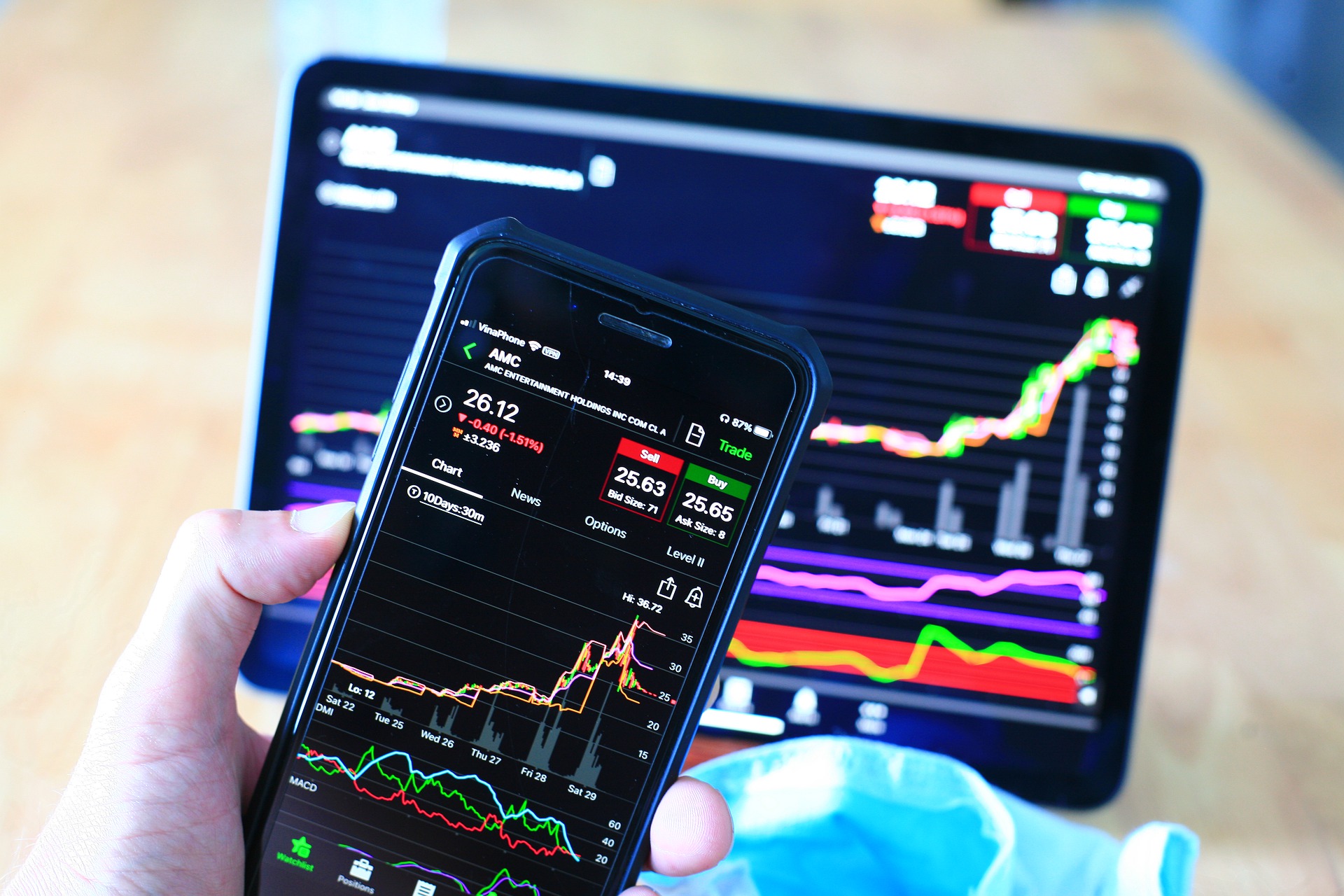
Liquidity is one of the essential features of the Forex market. Liquidity describes how easily an asset can be bought or sold without affecting the price.
In general, a highly liquid asset will have low volatility and tight spreads, while a less liquid asset will have high volatility and wider spreads.
Forex liquidity comes from two primary sources:
- Retail forex traders - Millions of retail traders open and close trades every day in the currency market. These transactions provide liquidity to brokers, which they can use for their purposes or offer back to customers via tighter spreads on currency pairs with high trading volume.
- Market makers & institutional clients - Central banks, hedge funds, and other institutional investors constantly buy and sell currencies in large quantities. This provides liquidity to the market and keeps it tight even during periods of high volatility.
How Does Liquidity Affect Trading?
The level of liquidity in a market affects traders in several ways:
- It determines how easily they can enter or exit a trade. A liquid market will allow traders to enter and exit positions quickly without affecting the price. In an illiquid market, trades can take longer to execute and may cause the price to move in unexpected ways.
- It affects how much slippage traders can expect when opening or closing a position. Slippage is the difference between the price trade executed and the price it initially placed. Slippage is usually minimal in a liquid market, while it can be significant in an illiquid market.
- It affects how much commission brokers can charge for trades. Brokers typically make more money from commissions in an illiquid market since they have to cover the costs of providing liquidity themselves. Brokers can make money from the tighter spreads between the buy and sell prices in a liquid market.
Volatility in Forex
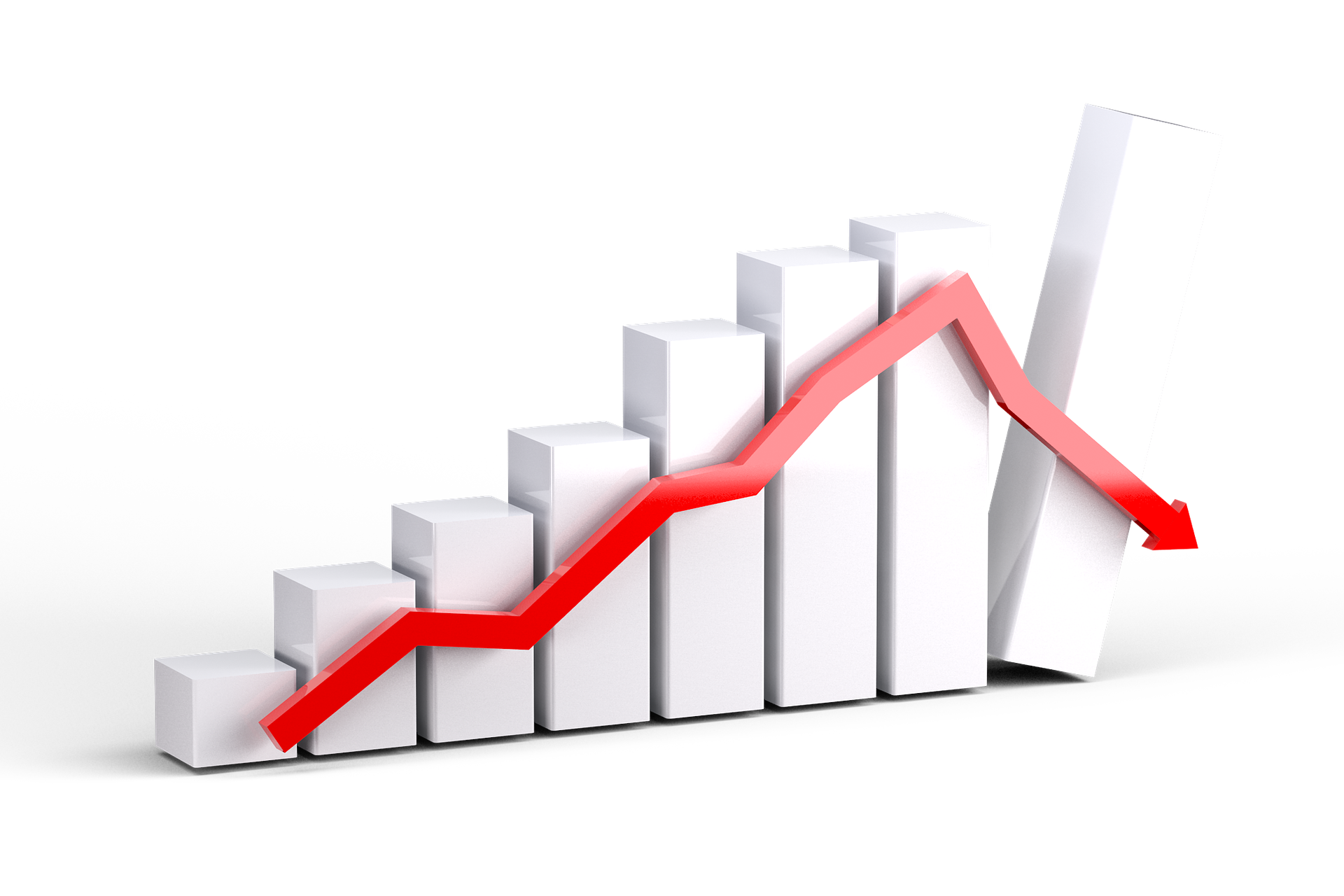
Volatility is another essential characteristic of the Forex market. Volatility measures how much the price of an asset moves up and down in a given period.
In general, an asset that moves up and down rapidly has high volatility, while one with little movement has low volatility.
Volatility is measured by using the average daily range for a currency pair over a specified number of trading days:
Average Daily Range = (highest price - lowest price) / (number of trading days)
A more extensive average daily range means that the currency pair has more volatility. Generally, currencies with high volatility are riskier to trade than those with low volatility.
For example, take two otherwise identical traders:
- Trader A invests $100 into a EUR/USD position and holds it for one day (therefore, their average daily range is $200).
- Trader B invests $100 into a EUR/USD position and holds it for one week (therefore, their average daily range is $14.29).
Assuming that the price of EUR/USD does not change over the week, trader B would have made more money than trader A, even though they both started with the same investment.
This is because volatility affects how much price movement a trader can expect on any given day.
Why Is Volatility Important to Traders?
Volatility is significant to traders for two main reasons:
- It determines how much risk they are taking on with their trades. A high volatility currency pair is riskier to trade than a low volatility one, as the price can move rapidly in either direction. For this reason, many traders only trade currencies with low volatility.
- It determines how much potential profits and losses a trader can expect on any given day. As mentioned above, trader B made more money on their EUR/USD trade because of the higher volatility. High-risk trades offer high potential profits and carry a greater risk of loss.
How to Use Volatility and Liquidity to Your Advantage?

Now that you understand what volatility and liquidity mean, as well as their impact on the forex market, it's time to put this knowledge to use. By understanding when volatility and liquidity are high or low, you can make more informed trading decisions that increase profits.
Volatility is Easier to Predict Than Liquidity
While liquidity is constantly changing, volatility tends to be more predictable. This means that you can typically expect periods of volatility to last longer than liquidity changes.
High Volatility Can Be a Good Thing
Although high volatility is difficult when it comes to trading, this doesn't always have to be the case. Increased volatility often means that more people are actively trading in an asset or currency pair, which will usually lead to increased liquidity and better prices.
When Liquidity is Low, Wait for it to Increase
As we mentioned earlier, low liquidity can be dangerous when trading. When liquidity is low, there's a greater chance that you'll get filled at the wrong price or that your trade will not go through at all.
However, once liquidity increases, the prices will be more in line with where they should be.
High Liquidity Can Be a Good Thing
Liquidity is typically high when market conditions are good, and there aren't any major economic events on the horizon. This means that you'll get better fills than usual and won't have to worry about your trades not going through.
Liquidity Can Signal Market Strength
As we mentioned earlier, liquidity is typically high when the market conditions are good, and there aren't any major economic events on the horizon.
This means that you'll get better fills than usual and won't have to worry about your trades not going through. When liquidity increases, this can also be a sign of strength in the market, leading to more profits.
When Liquidity is High, Look for an Opportunity
High liquidity means that plenty of people are trading, and prices have been relatively stable over time.
This typically happens when the market conditions are good and there aren't any major economic events on the horizon. When liquidity is high, it's a good time to look for an opportunity to trade.
Use Volatility to Your Advantage
Volatility can be used to your advantage by trading when the market is volatile and prices move in one direction. Doing this will increase the chances that your trade will be successful.
Conclusion
In a nutshell, liquidity and volatility are essential for trading in forex because they affect the currency pairs available to trade. They also influence how much profit you can make from each trade when using leverage.
Therefore, it is crucial to understand the basics behind liquidity and volatility. This way, you will learn how best to use them to your advantage as a trader. By using our signals app to trade, you're able to identify and take advantage of opportunities in the market as they happen.
The app gives you access to real-time information on prices and volume so that you can make informed decisions about when to buy and sell.
It’s simple to get started

Download app & join
Simple and fast

Take our trades
2-5 trades everyday

Earn 20% monthly*
Grow your savings
Other posts